The short answer
- Boxing Day falls on 26 December, and in 2026 it is a Saturday.
- The Conversation reports that the UK formally recognized Boxing Day as a public holiday in 1871.
- Because Boxing Day was an official holiday, major retailers such as department stores could not trade on it, and Daimaru pioneered Boxing Day trading in Melbourne in 1991.
- In NSW, Boxing Day is a restricted trading day, so most retail shops must close unless they are exempt.
- Ontario's Boxing Day shopping ban was reportedly in force from 1975 and dropped in 1996, according to CBC's archive sources.
Boxing Day is 26 December, the day after Christmas. It is a public holiday in some places, including New South Wales, and a long-running sales day in Australia. In 2026, 26 December falls on a Saturday, which brings a substitute public holiday in New South Wales.
Why it's trending
The 2026 calendar puts Boxing Day on a Saturday. The NSW Government lists Saturday, 26 December 2026 as Boxing Day, with a substitute public holiday on Monday, 28 December 2026 (NSW public holidays). The sources reviewed do not record why people are searching for the topic.
The sales history is background rather than a dated trigger. The Conversation and CBC both record Boxing Day's history as a sales day and its rivalry with Black Friday. CBC reports that Black Friday, which spread to Canada around 2005, had pushed 26 December aside by 2019 (CBC).
What is Boxing Day?
Boxing Day is 26 December. According to The Conversation, one reported origin is that English masters gave servants a day off after Christmas, sending them home with a box of leftover food and treats for their families (The Conversation). No single origin has been confirmed in the sources reviewed, so treat this as one account rather than settled history.
Why is it a public holiday?
The Conversation reports that the UK formally recognized the day as a public holiday in 1871, and that Australian colonies later followed (The Conversation). The sources reviewed do not record the official reason for the 1871 decision, so this article does not offer one.
The NSW Government lists Boxing Day as a standard public holiday (NSW public holidays). Its page says the Public Holidays Act 2010 adds an extra holiday on the following Monday or Tuesday when New Year's Day, Christmas Day or Boxing Day falls on a weekend. Examples:
- 2026: Boxing Day on Saturday, 26 December, with a substitute on Monday, 28 December.
- 2027: Boxing Day on Sunday, 26 December, with an extra holiday on Tuesday, 28 December, and a Monday, 27 December substitute for Christmas Day, which falls on a Saturday.
The sources reviewed record the UK's formal recognition in 1871 and NSW's current status. They do not confirm current holiday status for England, Wales, Scotland, Northern Ireland or Canada, so check official lists for your area.
Why it became a shopping day
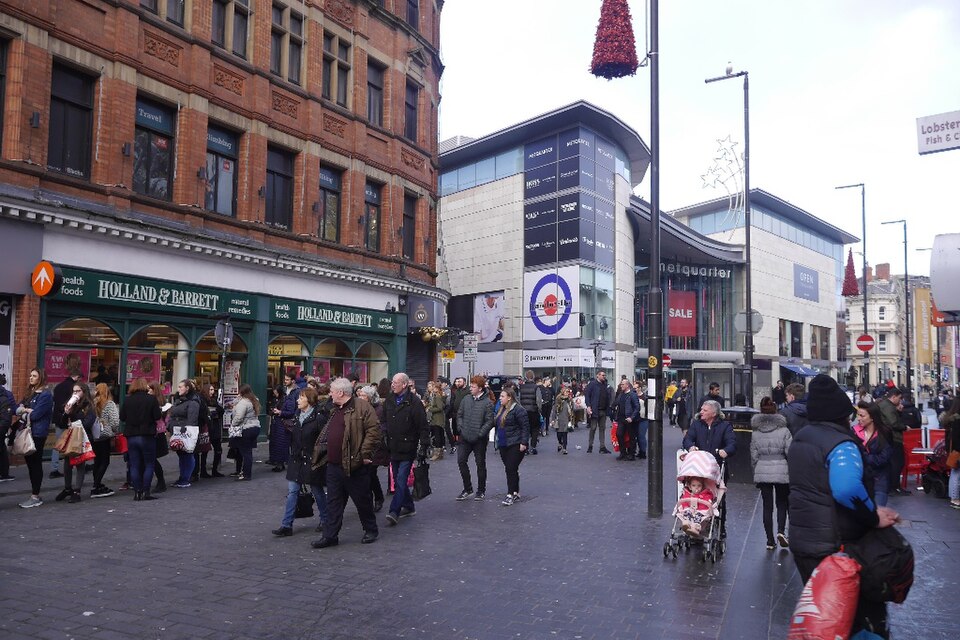
Because Boxing Day was an official holiday, major retailers such as department stores were not allowed to trade, according to The Conversation. They reopened three to five days after Christmas. Retailers advertised "post Christmas bargains," but most used the period to prepare for stocktake sales that began shortly after New Year's Day.
Post-war consumer growth pushed retailers to start sales earlier. Myer advertised a "pre-stocktaking sale" in 1954. Trading hours in Australia were extended state by state through the 1980s and 1990s, and Daimaru opened in Melbourne in 1991, pioneering Boxing Day trading and "door buster" sales.
After a shopper was injured in a store's roller doors in 1993, extreme discounts were dropped. By 2000, Boxing Day sales were "firmly entrenched," The Conversation says.
By 2018, fewer people were queuing and stores opened later, with more shopping moving online. The Conversation also cites Black Friday as a rival event, though the article's publication year is not shown, so its figures may be outdated.
Why are shops so busy? The sources reviewed contain no crowd data or 2026 forecast for shop visits, so this article cannot say how busy stores will be this year. The sales history above is the main context the sources give.
Where can shops open?
Rules depend on where you are. The NSW Government's trading page says the Retail Trading Act 2008 makes Boxing Day a "restricted trading day," so most retail shops must close unless exempt (NSW trading rules). Under section 8A, all retail shops may trade on Boxing Day if employees freely elect to work. Staff being rostered does not count as freely electing to work, and employers who coerce staff may face fines of up to $11,000 per employee.
The same page says landlords cannot force a shop to open on a restricted day, and the Act overrides a lease that requires opening. A landlord who pressures a retailer may face a fine of up to $22,000. Check the NSW Government page before acting, because rules and penalties can change.
Some Canadian provinces once banned Boxing Day shopping, including Ontario. A CBC archive piece from 26 December 1984 reports that some retailers in Canada broke the law by opening. CBC cites the Toronto Star for Ontario's prohibition reportedly coming into force in 1975, and cites TVO for Ontario dropping Boxing Day in a 1996 amendment to the Retail Business Holidays Act (CBC). These are historical rules, so check each province's current position.
The sources reviewed do not describe current UK trading rules, so this article does not say whether shops can open in England, Wales, Scotland or Northern Ireland.
What happens next
Boxing Day 2026 falls on Saturday, 26 December, with the NSW substitute on Monday, 28 December.
No 2026 sales forecast was found in the sources reviewed, so this article does not assume one. Earlier forecasts appear only in unverified snippets and are not relied on here.
For the latest position, check the gov.uk bank holidays list, the NSW Government pages and provincial government sites in Canada. Rules and dates can change, so confirm them before you plan a trip or a shopping day.
Questions people ask
Is Boxing Day a public holiday everywhere?
No. The sources reviewed confirm it as a standard public holiday in New South Wales, and The Conversation says the UK formally recognized it in 1871. The sources do not confirm its holiday status in Canada, so check official government lists for your area.
When is Boxing Day in 2026?
Boxing Day 2026 falls on Saturday, 26 December 2026. In NSW, a substitute public holiday applies on Monday, 28 December 2026, according to the NSW Government. UK substitute dates were not verified here, so check gov.uk for those.
Can shops open on Boxing Day?
It depends on where you are. NSW treats Boxing Day as a restricted trading day under the Retail Trading Act 2008, so most retail shops must close unless exempt. The Ontario ban described in CBC's archive was dropped in 1996, so check current provincial rules.
Why did Boxing Day become a sales day?
According to The Conversation, retailers advertised "post Christmas bargains" after Christmas, but most used that period to prepare stocktake sales that began shortly after New Year's Day. Daimaru pioneered Boxing Day trading in Melbourne in 1991, and by 2000 Boxing Day sales were "firmly entrenched," the article says.
Sources
- How Boxing Day evolved from giving Christmas leftovers to servants to a retail frenzy — The Conversationtheconversation.com
- NSW public holidays — NSW Governmentnsw.gov.au
- Trading on public holidays in NSW — NSW Governmentnsw.gov.au
- Boxing Day was the day for deals until the advent of Black Friday — CBCcbc.ca