The short answer
- Formula 1 qualifying has three knockout stages, and the fastest single lap decides the grid, with the Q3 pole sitter starting first before penalties.
- In 2026 the stages last 18, 15 and 13 minutes, and six cars leave after each of the first two.
- Kimi Antonelli set the fastest Las Vegas time but starts sixth after a five-place grid penalty, so Max Verstappen takes pole.
- Penalties moved Oscar Piastri from seventh on the times to 17th on the grid, according to Sky Sports.
- No Ferrari reached Q3 in Las Vegas, and the grid is not final until penalties and the official FIA grid are confirmed.
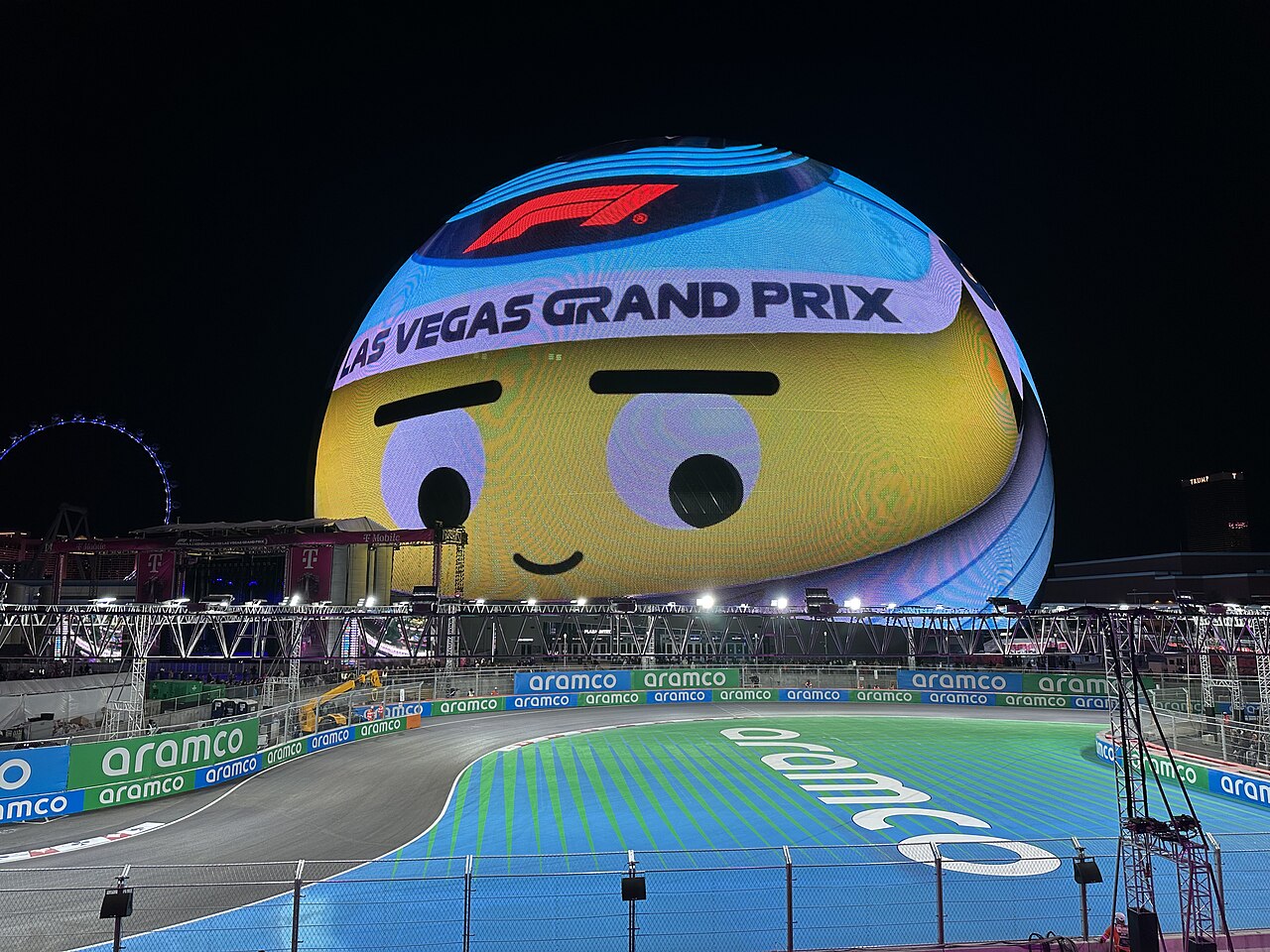
Formula 1 qualifying is the session that sets the starting grid for the Grand Prix, using the fastest single laps to rank the cars in three knockout stages. People are searching for it now because the Las Vegas Grand Prix qualifying on Saturday 21 November 2026 produced a result that raises a common question: the fastest driver on the timesheet is not on pole.
Why it's trending
Kimi Antonelli set the fastest time in Las Vegas, 1m 33.893s, which was 0.258s quicker than Max Verstappen. Because Antonelli takes a five-place grid penalty, he starts sixth, and Verstappen inherits pole with George Russell alongside him on the front row, according to Formula 1's qualifying report.
Other penalties reshaped the order too. Oscar Piastri was seventh fastest but has a 10-place penalty. Sky Sports reports that this drops him to 17th and moves Liam Lawson up to seventh. Sky also says Ferrari struggled in cold conditions and on the long straights, and that this was the first time since the 2024 Canadian Grand Prix that no Ferrari reached Q3, as Sky Sports reported.
The result is a useful reminder that the grid and the timesheet are not the same thing.
What qualifying is for
The starting grid for Sunday's Grand Prix comes from Saturday's qualifying. The driver with the fastest lap in the final stage takes pole. Pole is decided by the fastest Q3 time before any grid penalties are applied, which is why a penalised driver can be quickest on the timesheet and still start lower down.
Parc fermé begins after the third practice session, when most work on the car is banned, so teams cannot make major changes before the race. The official beginner's guide to the F1 weekend explains that the format has changed many times. Before 1950, grids were often set by drawing lots. Pre-qualifying was abolished in 1992. From 1996 qualifying became a one-hour Saturday session with a 12-lap limit, and one-lap qualifying arrived in 2003. The current knockout-style format was introduced in 2006.
How the three knockout sessions work in 2026
There are 22 cars in 2026, and qualifying runs in three stages:
- Q1 lasts 18 minutes. The six slowest drivers are eliminated, filling grid positions 17 to 22.
- Q2 lasts 15 minutes. Six more drivers are eliminated, filling grid positions 11 to 16.
- Q3 lasts 13 minutes. The remaining 10 drivers compete for the top 10 slots, and the fastest takes pole.
Some older guides still give Q3 as 12 minutes. The 2026 figure is 13 minutes, according to the official guide.
Why the Las Vegas grid looks the way it does
Penalties reshape the order
The table below shows the penalties that matter most for the top of the grid, based on the reports cited here.
| Driver | Qualifying result | Grid penalty | Starting position |
|---|---|---|---|
| Kimi Antonelli | Fastest, 1m 33.893s | Five places | 6th |
| Max Verstappen | Second on the times | None reported | 1st (pole) |
| Oscar Piastri | Seventh | 10 places | 17th (per Sky Sports) |
| Carlos Sainz | Out in Q2 | 10 places | Not stated in the reports |
| Oliver Bearman | 22nd | Penalty applied; size not confirmed | Not confirmed |
Antonelli's penalty is described differently by the two main reports. Formula 1 cites power unit changes, while Sky Sports says Mercedes fitted his sixth internal combustion engine of the season, which exceeded his allocation. Check the official FIA notice before stating a reason.
Who went out early
Charles Leclerc finished 11th and Lewis Hamilton 12th, so neither reached Q3. Nico Hulkenberg, Carlos Sainz, Gabriel Bortoleto and Alex Albon were knocked out in Q2. In Q1, Sergio Perez, Fernando Alonso, Lance Stroll and Valtteri Bottas were eliminated. Rafael Camara missed Q2 by less than a tenth of a second after a spin at the start of Q1.
Tow and slipstream
Antonelli said his fastest lap relied on a tow. Sky Sports describes a large slipstream from a Racing Bulls car that helped him beat Verstappen. Long straights make slipstreaming important in qualifying, but the reports do not give a precise measure of how much it contributed.
Separately, Russell and Verstappen made contact in final practice, and neither driver was penalised. Verstappen did receive a warning for erratic driving while trying to keep Russell behind him in FP3. A warning is not a grid penalty, so it should be kept apart from the qualifying penalties above.
Sprint weekends and how they differ
Some race weekends include a sprint. On those weekends, Sprint Qualifying takes place on Friday in three stages: SQ1 lasts 12 minutes, SQ2 10 minutes and SQ3 8 minutes. Sprint Qualifying sets only the sprint grid. Saturday's qualifying still sets the Grand Prix grid, which is the case in Las Vegas.
What happens next
Sky Sports lists the Las Vegas race as starting at 4am UK time on Sunday 22 November, with build-up from 2.30am, live on Sky Sports F1 and Main Event. Because that is a different local time in the US, Canada and Australia, readers should check the official F1 timetable for their own time zone rather than relying on a single conversion.
The grid is not final until penalties are applied and the official FIA grid is published. Reports cited here are based on the post-session classification. Stewards' decisions could still change the order. The size of Bearman's penalty is not confirmed in the reports used, so readers should wait for the official FIA notice before drawing conclusions about his starting position.
For the rules behind all of this, the official beginner's guide is a clear starting point. For the Las Vegas results and penalties, Formula 1's report and Sky Sports' coverage are the main references, as of November 21, 2026.
Questions people ask
How does F1 qualifying work?
Qualifying has three knockout stages in 2026. Q1 lasts 18 minutes, Q2 15 minutes and Q3 13 minutes. The six slowest drivers are eliminated after Q1 and six more after Q2, and the 10 remaining drivers compete for the top 10 grid slots.
Why is Kimi Antonelli starting sixth in Las Vegas if he was fastest?
Antonelli set the fastest time, but he takes a five-place grid penalty, so he starts sixth. Formula 1 reports this as a penalty for power unit changes, while Sky Sports describes a sixth engine beyond his allocation. Check the official FIA notice for the exact reason.
What time does the Las Vegas Grand Prix start?
Sky Sports gives the race start as 4am UK time on Sunday 22 November 2026, with build-up from 2.30am. Readers in the US, Canada and Australia should check the official F1 timetable for their local time.
Does Saturday qualifying set the sprint grid?
No. On sprint weekends, Sprint Qualifying on Friday sets only the sprint grid. Saturday's qualifying still sets the Grand Prix grid.